Texas Driving Schools
They say everything is bigger in Texas, and it’s easy to understand why. Texas is huge! Texas covers 268,597 square miles! All those miles mean an abundance of freeways, highways, side streets, main streets, service roads, dirt roads, and more.
For a new driver, the sheer size, scope, and complexity of the traffic system can be overwhelming. Thankfully, that’s where driver education can teach you everything you need to know to become a safe, confident driver, and in Texas, you have options. From a parent-taught course you can complete at home, a course offered through your high school, or a traditional driver education school offering classroom or online training, finding the driver education that fits your needs is essential.
Below you’ll find DriverZ’s recommendations for driving schools in your city. We’ve evaluated everything from course curriculum, student success, driving instructors, and more to ensure you have access to the best driver education in TX.
Austin Driving Schools
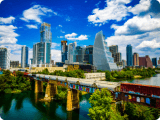
As a new driver in Austin, taking driver education can greatly benefit you. Not only will you learn important safety rules and regulations, but you'll also have the opportunity to explore this vibrant and exciting city. Austin is the capital of Texas, home to the University of Texas, and known as the "Live Music Capital of the World." Outdoor enthusiasts will enjoy kayaking and paddle boarding on Lady Bird Lake, and taking a hike up Mount Bonnell for panoramic views of the city. With heavy traffic congestion in some areas, driver education can help you navigate safely. Don't forget to explore Austin's museums, landmarks, and food scene!
Houston Driving Schools
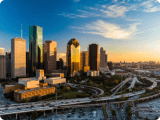
If you're a new driver in Houston, there's never been a better time to take driver education. With over 2.3 million residents, Houston is the fourth-largest city in the United States, and it's home to some of the most exciting attractions in the world. From the Houston Livestock Show and Rodeo, to NASA's Johnson Space Center, to the Houston Zoo, there's no shortage of things to see and do. But with the Katy Freeway and dangerous intersections like Westheimer Road and Post Oak Boulevard, it's essential to learn how to drive safely. Enroll in driver education today and get ready to explore all that Houston has to offer!
Dallas Driving Schools
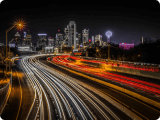
If you're a new driver in Dallas, taking driver education is a smart decision. With a population of over 1.3 million people, navigating the city's busy streets can be intimidating. Dallas is also home to some of the busiest highways in the country, including the North Central Expressway. But don't let that scare you off. There are plenty of great reasons to get behind the wheel in Dallas, from visiting iconic landmarks like the Reunion Tower and Margaret Hunt Hill Bridge to exploring the city's beautiful parks and gardens. Driver education will equip you with the skills you need to drive safely and confidently in this vibrant city.
Fort Worth Driving Schools
Are you a new driver in Fort Worth, Texas? With a population of over 900,000 people, it's important to have the skills and knowledge to navigate this bustling city safely. By enrolling in driver education, you can learn about the rules of the road, defensive driving techniques, and other important skills that will help you become a responsible driver. And when you're not behind the wheel, there's plenty to explore in Fort Worth, from the historic Stockyards district and world-renowned art museums to beautiful urban parks and a world-class zoo. So why not invest in your driving skills and explore Fort Worth?
San Antonio Driving Schools
If you're getting your driver's license in San Antonio, there are a few things to keep in mind. The city is known for its hot and humid weather, so be sure to stay hydrated and keep an eye out for thunderstorms and tornadoes. While there are several popular landmarks and attractions, some intersections like Loop 410 and Interstate 10 are known for their high number of accidents, so drive with caution. Traffic can be heavy in downtown areas like the River Walk and around Six Flags Fiesta Texas. And finally, you’ve got to visit the Alamo, River Walk, and other popular destinations like the Pearl District, San Antonio Museum of Art, and Brackenridge Park.